
 Facebook
 X
X
 Pinterest
 Copy Link
Dear God, I have Short Sale Experience
7 months.
That’s how long my first professional short sale took to close. And I want to tell you about it — because if you’re a buyer, a seller, or even an agent who’s never been through one, you deserve an honest account from someone who just came out the other side.
It Started Before I Was Even a Realtor
In 2009, my wife Amanda and I bought our first home as a short sale. We put the offer in May, moved in August, and didn’t actually close until November. Three months living in a house we didn’t technically own yet. We were confused, stressed, and almost entirely dependent on the people around us to explain what was happening.
I didn’t fully understand the process. I just knew it was hard.
That experience — more than anything else — is part of why I eventually got into real estate. I wanted to be the person who actually explains what’s happening.
Fast forward to 2026. Eight years as a realtor. And until last month, I had never closed a short sale professionally. Neither had anyone else in my office, as far as I could tell. We just hadn’t needed to — that era felt like it belonged to a different market.
Then this deal landed on my desk.
What I Thought vs. What Actually Happened
On paper: two sellers, one property, one motivated buyer. Straightforward enough.
In reality: the two sellers were going through a divorce and weren’t speaking to each other. A contractor lien surfaced that nobody knew about — which meant two separate parties now needed to be satisfied instead of one. That discovery alone added months to the timeline.
I found myself simultaneously managing the mortgage collection agency, the lien collection agency, both sellers independently, and the buyer’s agent — who, I’ll say, was an absolute professional and more patient than I had any right to ask.
And then there were the moments I didn’t see coming. Let’s just say that over the course of eight months, I encountered a few situations that weren’t in any training manual — legally, logistically, and otherwise. The kind of moments where you hang up the phone, stare at the wall for a second, and then get back to work because what else are you going to do.
I’ll leave it at that.
The Fannie Mae Chapter
I’d be doing you a disservice if I didn’t mention this one specifically, because it deserves its own paragraph.
At a certain point in the process, I was negotiating directly with Fannie Mae through their online portal to move things forward. There was a specific action I needed to submit — an itemized proposal, a next step, something to keep the deal alive. And I couldn’t find it.
Weeks went by. I kept looking. I called. I emailed. I followed up.
It took approximately two months to discover that the button I needed to click was completely invisible on the user-facing side of their portal. It existed. It just couldn’t be seen.
Two months.
I’m not going to editorialize further. The button was F#&@ing invisible. We lost two months. Moving on.
What I Actually Learned
I came out of this deal with a few things I didn’t have going in as a Realtor.
Banks are unemotional. They are not your ally, your enemy, or your partner. They are a process. The sooner you accept that and stop expecting them to care, the better you’ll navigate it.
Your job is to be the buffer. Your clients are going through something hard — financial stress, relationship breakdown, uncertainty about their future. They don’t need to feel the full weight of every obstacle. That’s what you’re there for. Stay calm on the outside even when you’re staring at an invisible button.
Charge accordingly. A short sale is not a standard transaction. The complexity, the timeline, the emotional labor — it is a different category of work. I know that now.
Don’t quit. This sounds obvious. It’s not. There were moments in this deal where quitting would have been the easier choice. The deal that nobody else in my office had closed since around 2016 — there’s probably a reason for that. It’s hard. But we got there.
How It Ended
We closed.
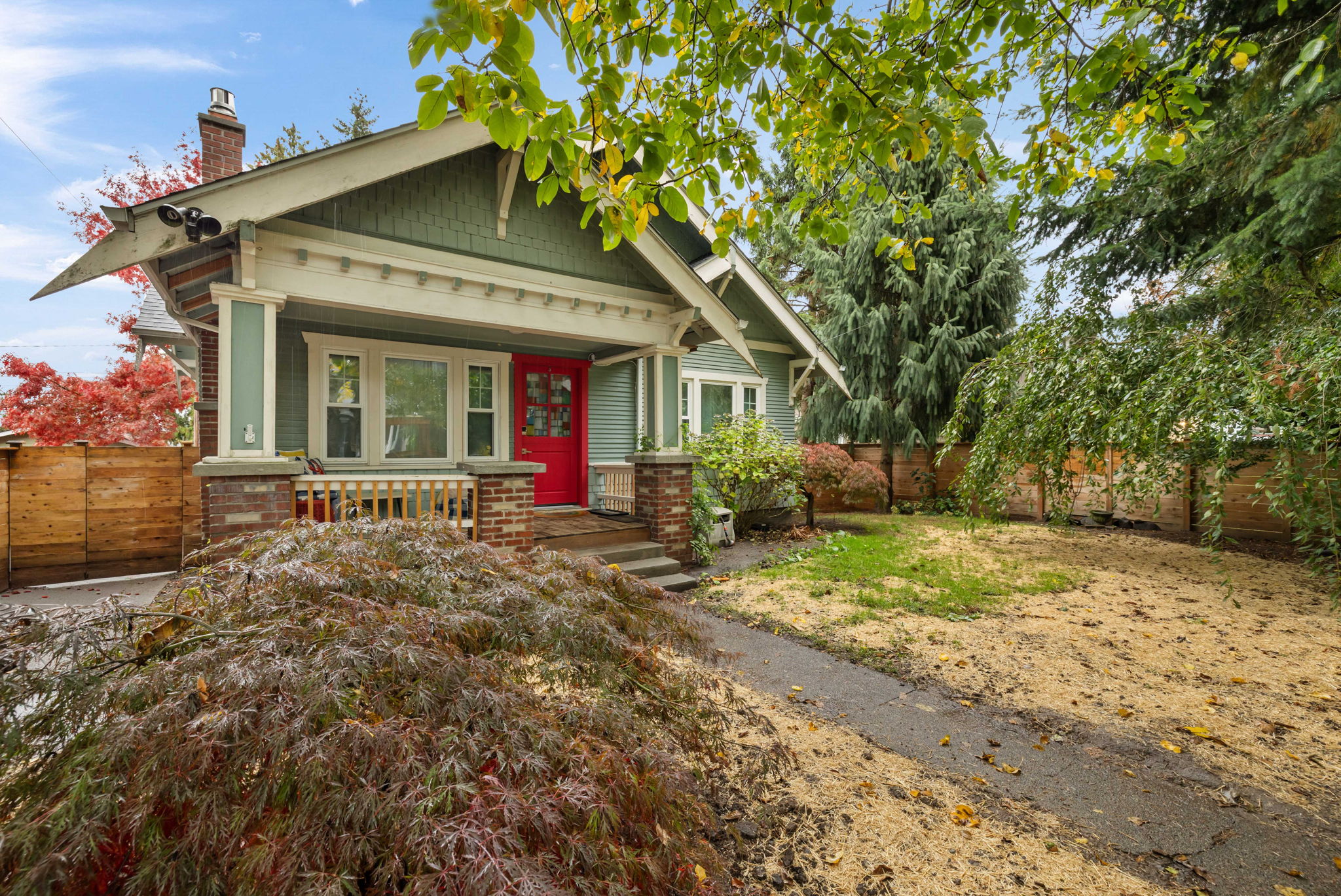
Both sellers were able to close a painful chapter in their lives and move forward. The buyer — who was patient and kind throughout a process that took far longer than anyone wanted — got a beautiful craftsman in Tacoma with a red front door. I couldn’t be happier for her.
And I came out the other side as the person in my office who has actually done this. If you’re facing a short sale, a foreclosure, or anything that feels too complicated to even start — reach out. I’ve been on both sides of this table now, and I know the way through.
Brad Bennett is a realtor with Windermere in Gig Harbor, WA. He’s been helping buyers and sellers navigate the greater Puget Sound area since 2018.
📞 Call or text: 206-930-1597
🌐 bradbennett@windermere.com
📍 Bennett Homes Northwest
PS
Fannie Mae continues to send me canned emails asking if I need any help to keep this deal alive. Now I’m not even sure if I actually talked to a real person…
Short Sale and Foreclosure: How Are They Different?
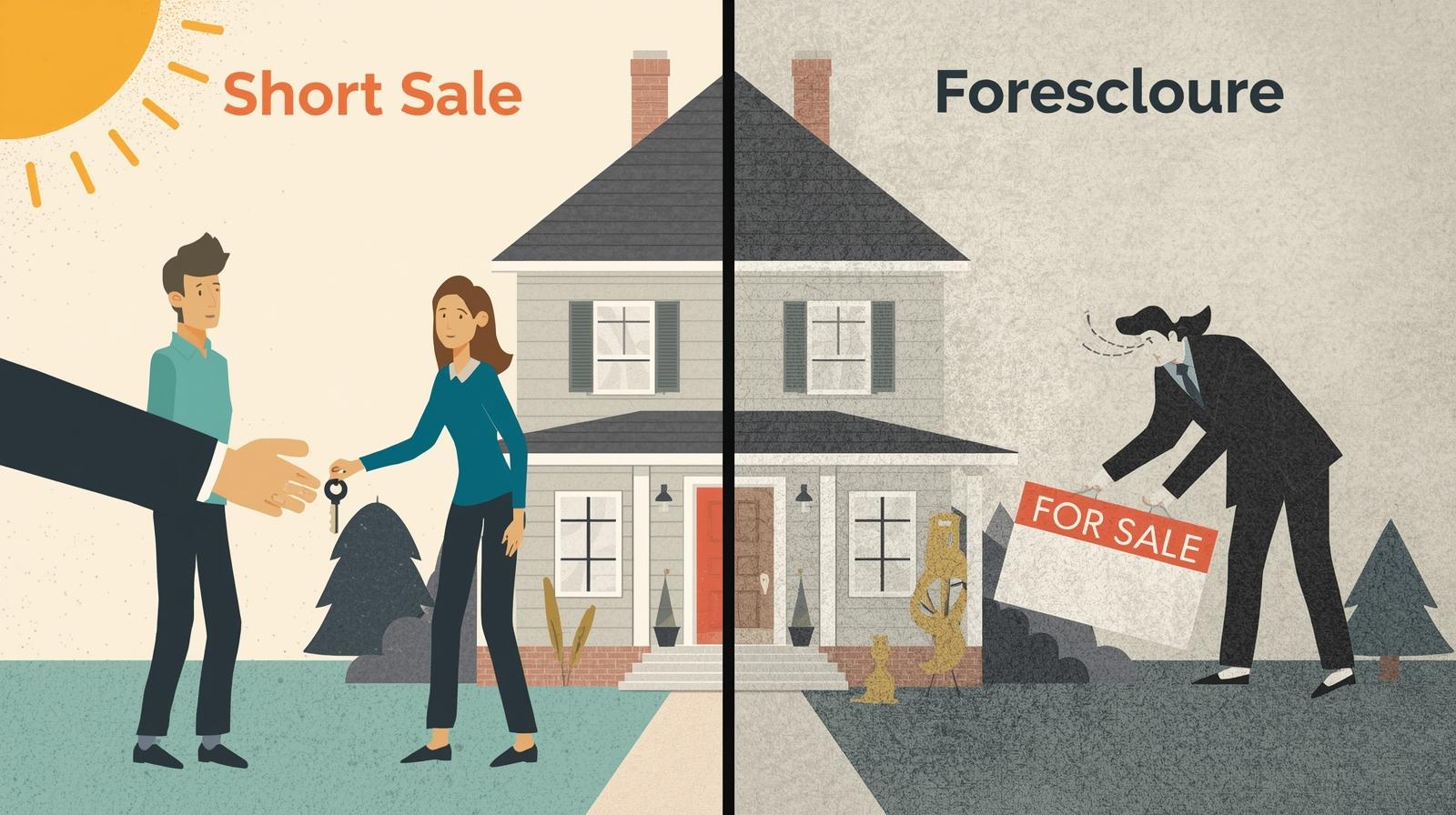
As unfortunate as it can be when homeowners fall behind on mortgage payments and must face the possibility of losing their homes, short sales and foreclosures provide them options for moving on financially. The terms are often used interchangeably, but they’re actually quite different, with varying timelines and financial impact on the homeowner. Here’s a brief overview.
A short sale comes into play when a homeowner needs to sell their home but the home is worth less than the remaining balance that they owe. The lender can allow the homeowner to sell the home for less than the amount owed, freeing the homeowner from the financial predicament.

On the buyer side, short sales typically take three to four months to complete and many of the closing and repair costs are shifted from the seller to the lender.
On the other hand, a foreclosure occurs when a homeowner can no longer make payments on their home so the bank begins the process of repossessing it. A foreclosure usually moves much faster than a short sale and is more financially damaging to the homeowner.
After foreclosure the bank can sell the home in a foreclosure auction. For buyers, foreclosures are riskier than short sales, because homes are often bought sight unseen, with no inspection or warranty.


